Component architecture
Design modular, reusable component systems that keep the UI consistent and development efficient.
Front-End Development
We develop pixel-conscious front ends for websites, dashboards, portals, and web applications where the interaction quality matters.
What we do
Outcomes
Interfaces that match the design intent.
Faster, cleaner user experiences.
Reusable systems for future growth.
Comprehensive front-end development services
Each engagement is shaped around the business model, user journey, technical needs, and the conversion moments that matter most.
Design modular, reusable component systems that keep the UI consistent and development efficient.
Build layouts that adapt seamlessly across devices, screen sizes, and input methods.
Add purposeful animations, transitions, and micro-interactions that guide users and feel natural.
Optimize load times, rendering, and bundle size for fast, smooth user experiences.
Ensure the interface is usable by everyone with proper semantics, contrast, and keyboard support.
Test and refine across browsers, devices, and edge cases to deliver a consistent experience.
How we build front ends
Front-end work goes wrong when it is built screen by screen. We build the system first, then the screens, so page twenty is as cheap as page one.
Review what already exists, what can be reused, and where the current implementation is costing you performance or consistency.
Build the tokens, primitives, and components the product needs, with responsive and accessibility states specified rather than improvised.
Implement flows from the system, wiring real data, real loading states, and real error states rather than placeholders.
Tune the things that actually move LCP, INP, and CLS — bundle size, image delivery, font loading, and render cost.
Test across real browsers and devices, verify keyboard paths and screen reader output, then hand over documented components.
Who we build interfaces for
In these categories the interface is the product, so front-end quality is the commercial argument.
Success stories
Front-end builds where speed and clarity were the measurable objective.
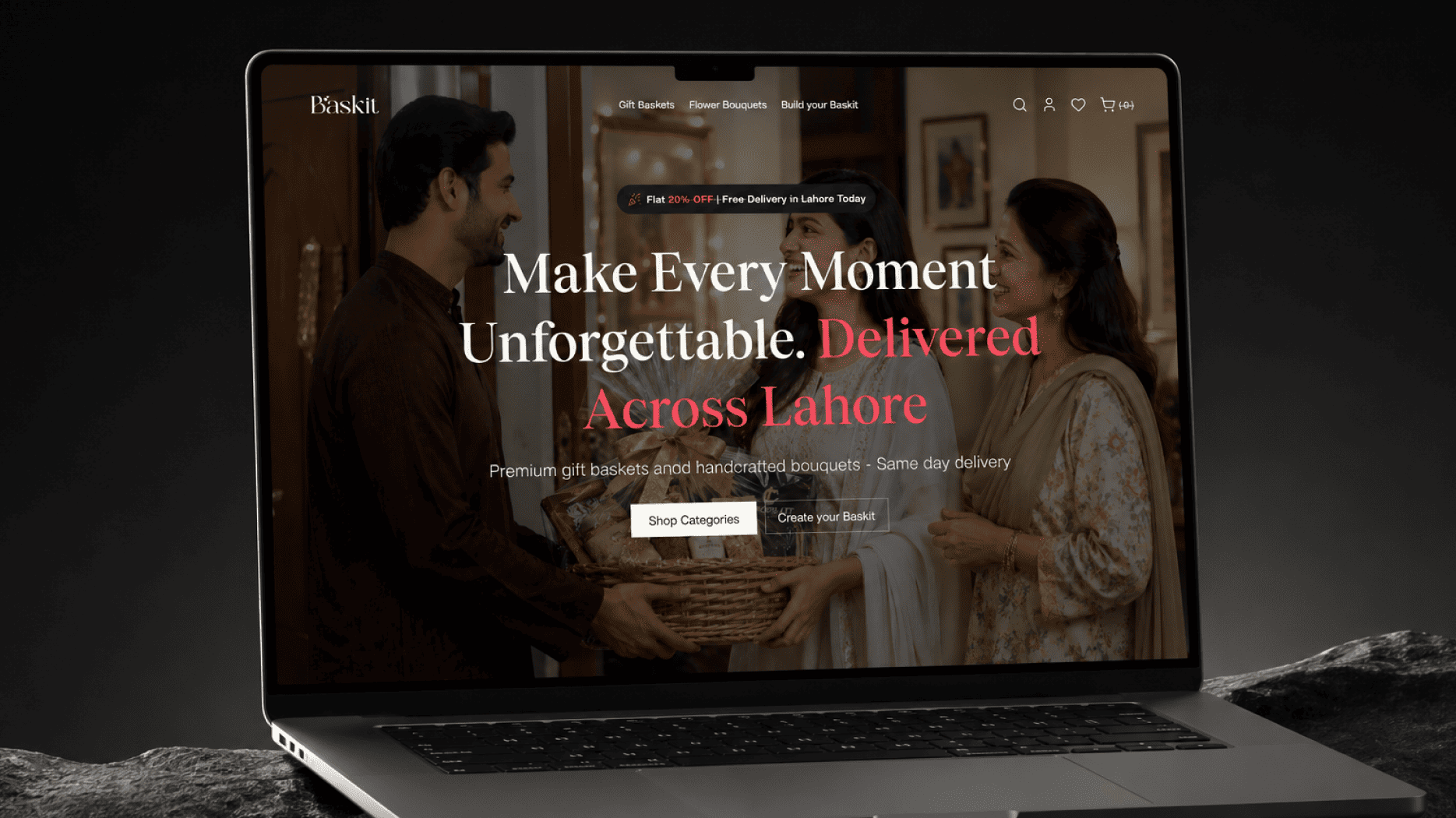 Ecommerce interfaceBaskit — Faster, clearer product discovery and checkout.
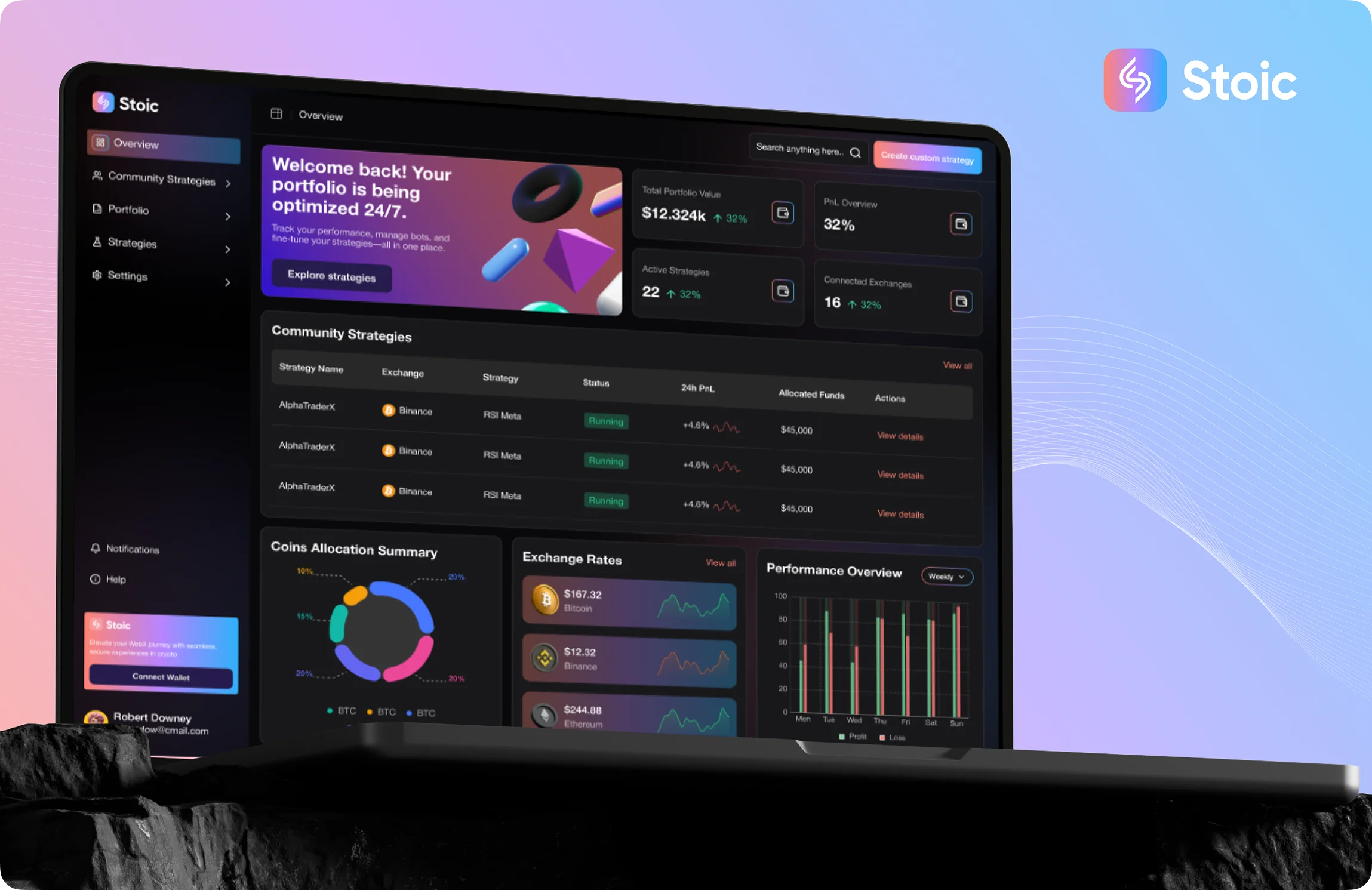 Real-time trading UIStoic — Low-latency market interface for active traders.
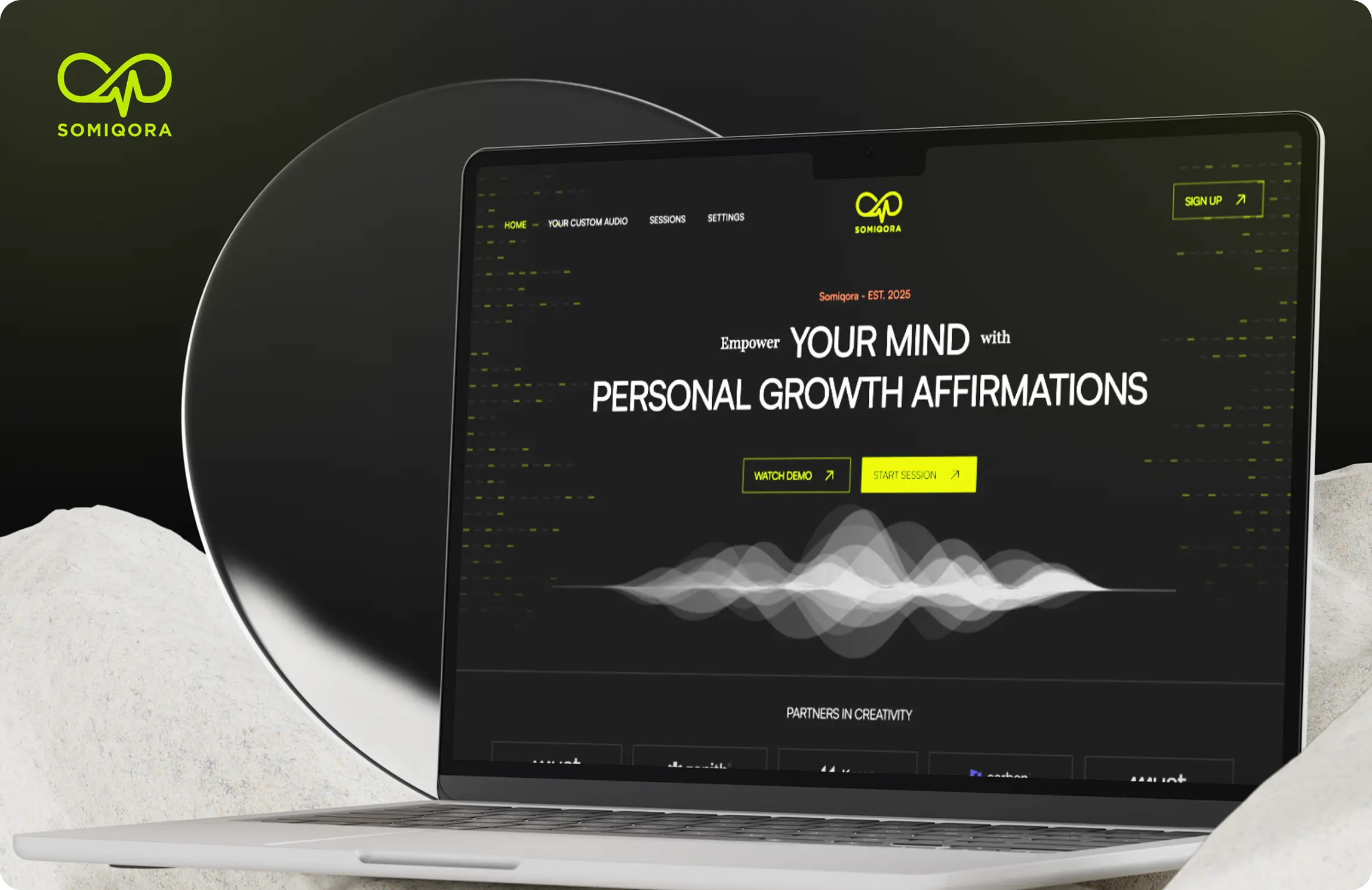 Minimal product UISomiqora — A minimal, distraction-free reading experience.
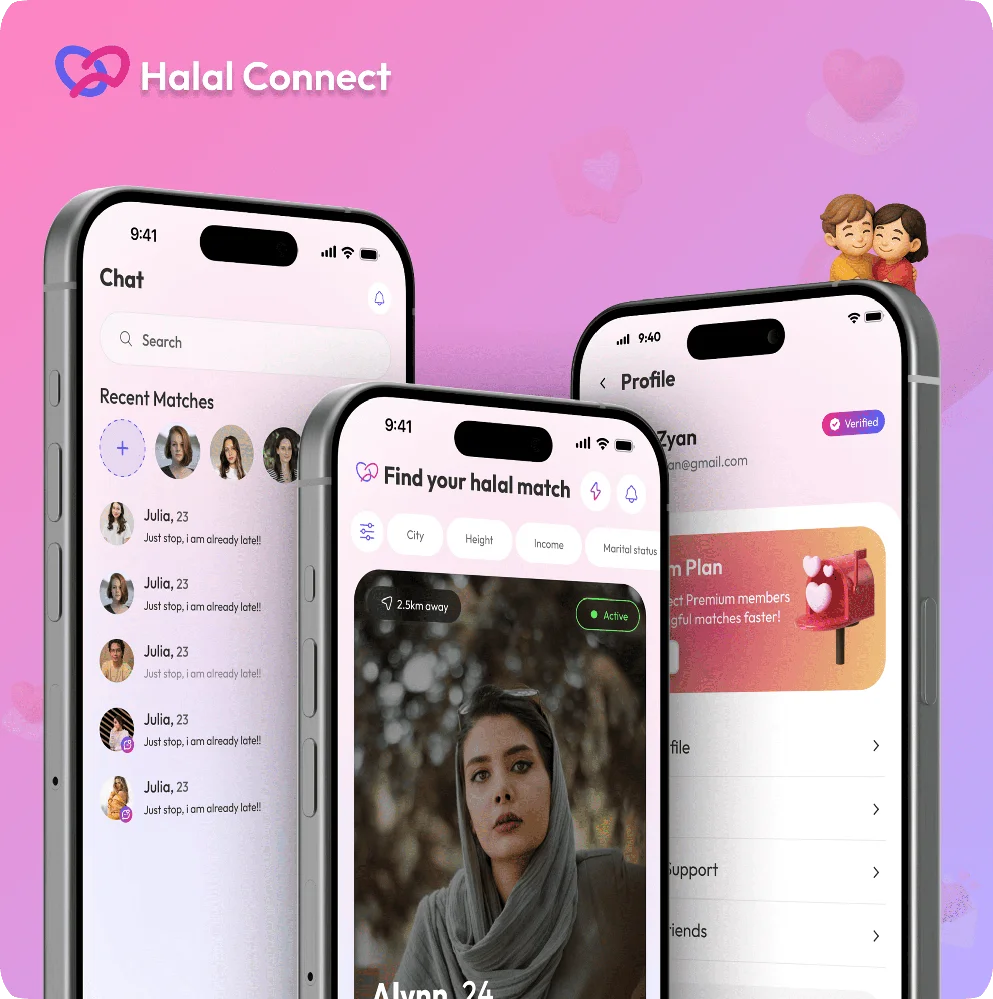 Profile and matching UIHalal Connect — Trust-forward profile and matching journeys.
Front-end stack
We work inside your existing stack wherever it is sound rather than insisting on a rewrite.
Delivery model
We build the system and the screens together. That means the tenth page costs days rather than weeks, and the tenth page still looks like the first.
Audit — Review the current code, components, and performance baseline
View related work
Useful reads
Why pages feel slow on real devices, and the design rules we build against.
It depends on component count and complexity, not screen count. Rebuilding a marketing site or design system typically runs $5,000–$25,000+, a SaaS front end $15,000–$50,000+, and a large enterprise interface with heavy data visualisation sits above that. We scope by components and data states so the estimate is stable.
React and Next.js are our defaults, with Vue, Nuxt, Svelte, and Astro where the project suits them. The stronger question is whether you want to keep your current stack — we work inside an existing codebase whenever it is still sound and quote the migration honestly if it is not.
Yes, and that is usually the most efficient route. We can implement your components directly, or we can hand back the engineering-ready version of a design system you own. Either way you keep the assets and the documentation.
Accessibility is part of the build, not a later audit: semantic markup, keyboard paths, focus management, and colour contrast verified with automated and manual testing. WCAG 2.2 AA is the default target, and for public-sector or regulated buyers we test against the specific standard they are held to.
Ship the interface
Bring us the idea, product, workflow, or brand moment. We will shape it into a premium experience built to launch, scale, and convert.
Start front-end brief