
API architecture
Design RESTful and GraphQL APIs that are consistent, versioned, and easy to integrate with.
Back-End Development
We build secure back ends, APIs, databases, and integration layers that make digital products reliable, scalable, and easier to operate.
What we do
Outcomes
Cleaner data flow.
More reliable product operations.
Scalable foundations for future features.
Comprehensive back-end development services
Each engagement is shaped around the business model, user journey, technical needs, and the conversion moments that matter most.
Design RESTful and GraphQL APIs that are consistent, versioned, and easy to integrate with.
Model data structures, relationships, and query patterns for performance and scalability.
Implement secure auth, role-based access, data encryption, and compliance-ready workflows.
Connect payment gateways, CRMs, analytics, email services, and external APIs seamlessly.
Tune queries, caching, server config, and load handling for fast, stable response times.
Set up logging, alerting, and regular maintenance so the system stays healthy over time.
How we build back ends
Back-end decisions are the ones that are expensive to reverse. We get the data model and the boundaries right before we write application code.
Model the business domain properly — entities, relationships, invariants, and what must be historically accurate versus merely current.
Define the API surface, versioning strategy, and service boundaries, with authentication and authorisation settled up front.
Build the application logic, background jobs, and integrations, with transactions and idempotency handled deliberately.
Add caching, rate limiting, query tuning, structured logging, tracing, and alerting before production traffic finds the gaps.
Ship API documentation, schema diagrams, runbooks, and a walkthrough so your engineers can extend it confidently.
Industries we build for
In these sectors a back-end defect is a compliance problem, not just a bug.
Success stories
Back ends handling data volume, integrations, and reliability under production load.
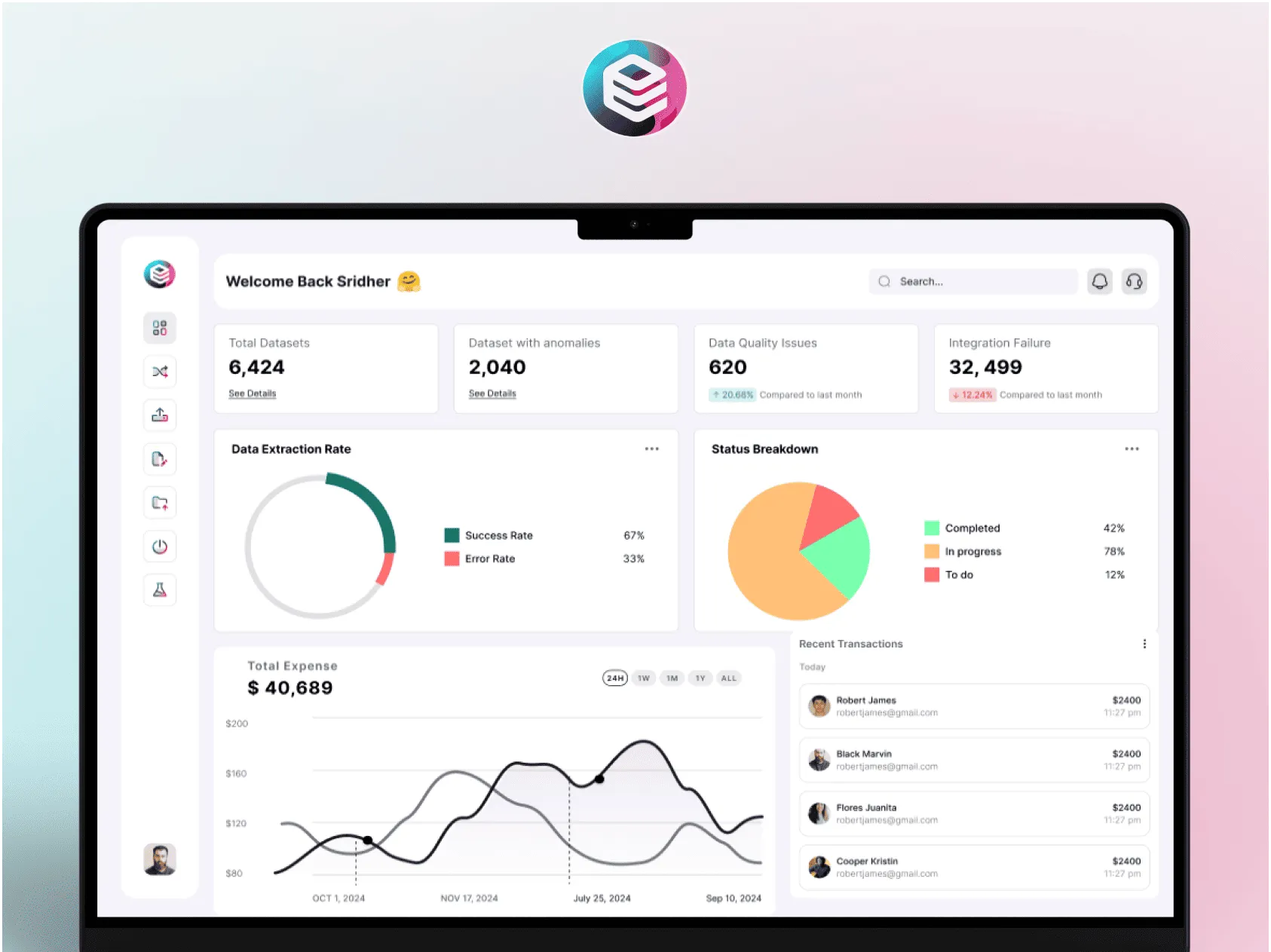 Data quality platformSimpliData — Validation pipelines and data quality monitoring.
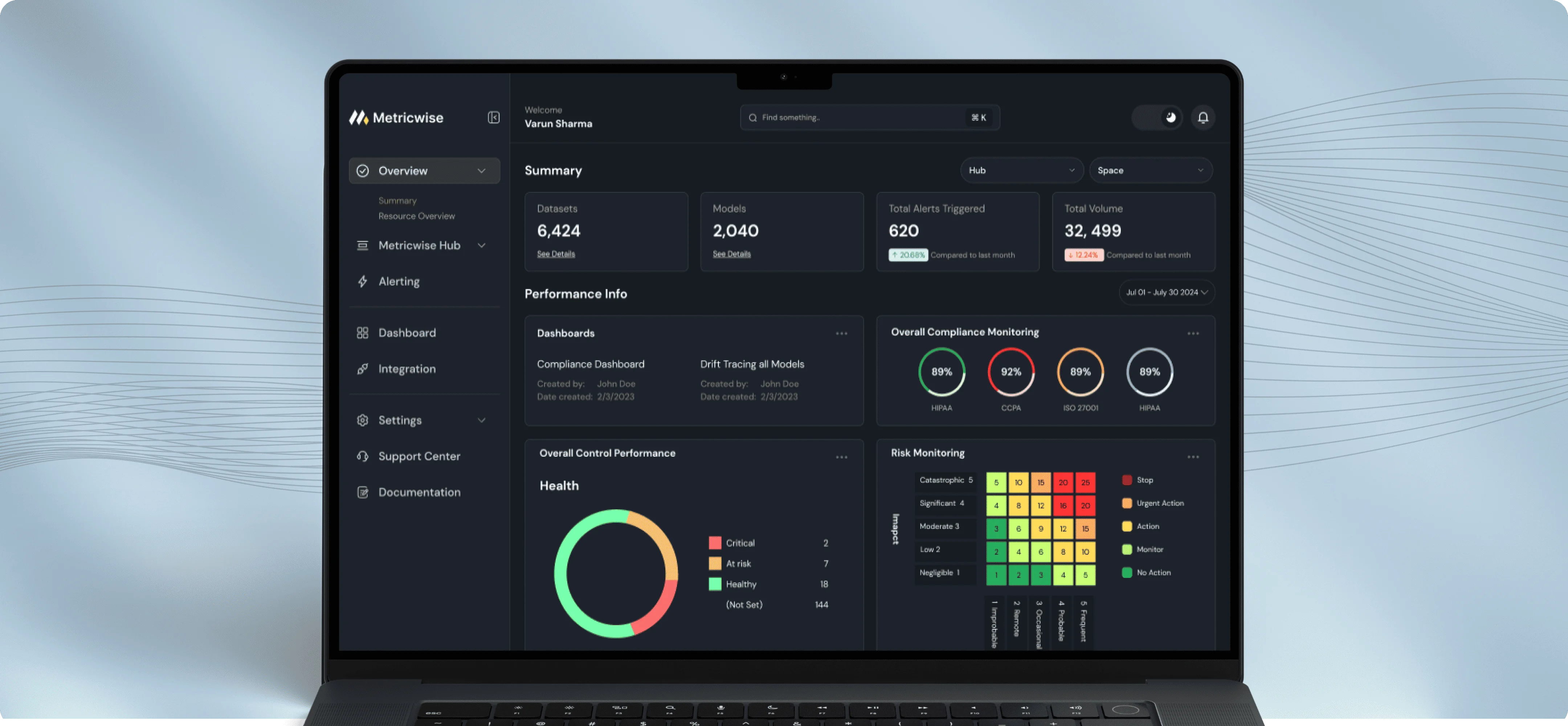 Observability backendMetricwise — Anomaly detection and system health services.
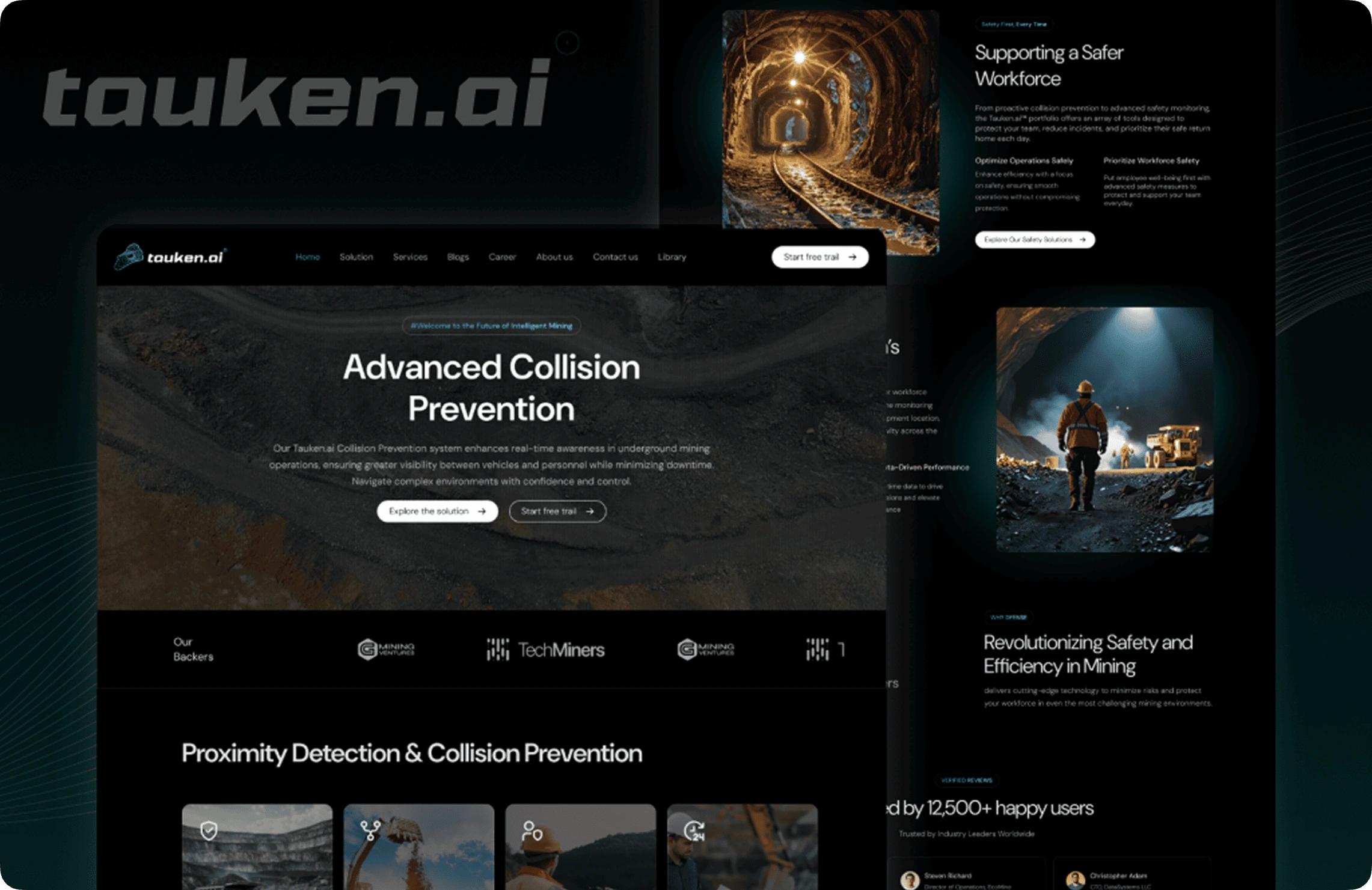 Real-time safety servicesTauken.ai — Low-latency proximity and collision detection.
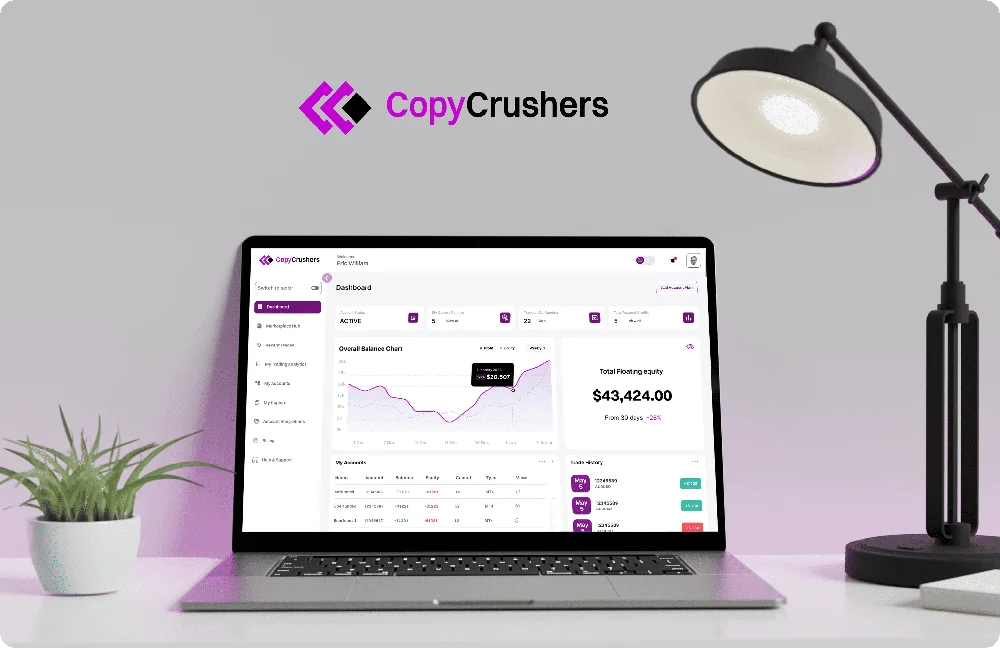 Trading data backendCopyCrusher — Strategy analysis and market data processing.
Back-end stack
Boring, well-understood technology that your future engineers can hire for.
Delivery model
You receive the schema, the API reference, the runbooks, and the infrastructure definitions — not a zip file and a wish.
Modelling — Define the domain model, permissions, and API surface
View related work
Useful reads
What drives the estimate on a server-side build, and how systems are wired together.
An API and data layer for a focused product typically runs $15,000–$40,000. Complex systems with heavy integrations, background processing, or multi-tenant isolation run considerably higher. The estimate is driven by data model complexity and integration count, not by endpoint count.
Yes. Give us the front-end contract and we will build to it, producing the API reference up front so both sides can work in parallel. This is a common arrangement when an in-house team owns the interface.
PostgreSQL is our default and MySQL, MongoDB, and ClickHouse where the access pattern justifies them. Runtimes are Node.js, Python, Go, Java, or C# depending on your team's ability to maintain what we ship. We will not introduce a language you cannot hire for.
Through explicit integration layers — REST, GraphQL, webhooks, and queued jobs — with retries, idempotency keys, and dead-letter handling. Upstream failures are isolated so one flaky third-party API cannot take down your product.
Build the foundation
Bring us the idea, product, workflow, or brand moment. We will shape it into a premium experience built to launch, scale, and convert.
Start backend brief