Agent design and scope
Define the decision the agent makes, the actions it may take, and where a human must remain in the loop.
AI Agent Development
We build agents that read your data, decide what to do, call your tools, and escalate to a human when the situation is genuinely ambiguous.
What we build
Outcomes
Processes that run without constant oversight.
Measurable reliability instead of demo success.
Lower handling cost on high-volume work.
Comprehensive AI agent development
Agent reliability depends as much on tooling, evaluation, and permissions as it does on the reasoning loop itself.
Define the decision the agent makes, the actions it may take, and where a human must remain in the loop.
Wrap your systems in well-described tools with least-privilege scopes, so the agent cannot reach what it should not.
Connect private knowledge with vector search and structured memory, with provenance on every retrieved fact.
Build a fixed task set, measure success rate, constrain the loop, validate tool inputs, and route failures to review.
Ship with tracing, cost monitoring, regression alerts, and a human review queue from day one.
How we build AI agents
An agent is a reasoning loop around a set of tools. We define what it decides, what it may touch, and how you know when it got it wrong.
Decide what the agent decides, which actions it may take, and where a human must stay in the loop. This determines everything downstream.
Wire the APIs, retrieval layers, and conversation memory the agent needs, with permission scopes that limit what it can reach.
Build the agent alongside a test set of realistic tasks, so reliability is measured rather than assumed from a demo.
Ship with full tracing, human review queues, and cost monitoring — and set the retry and escalation behaviour before launch.
Fix the failure modes you observe in production, add guardrails, and expand the task set only once the loop is trustworthy.
Where we deploy agents
Agents earn their cost when the input is unstructured and the steps are not fully predictable.
Success stories
Cases where an agent or multi-agent workflow handled real operational volume.
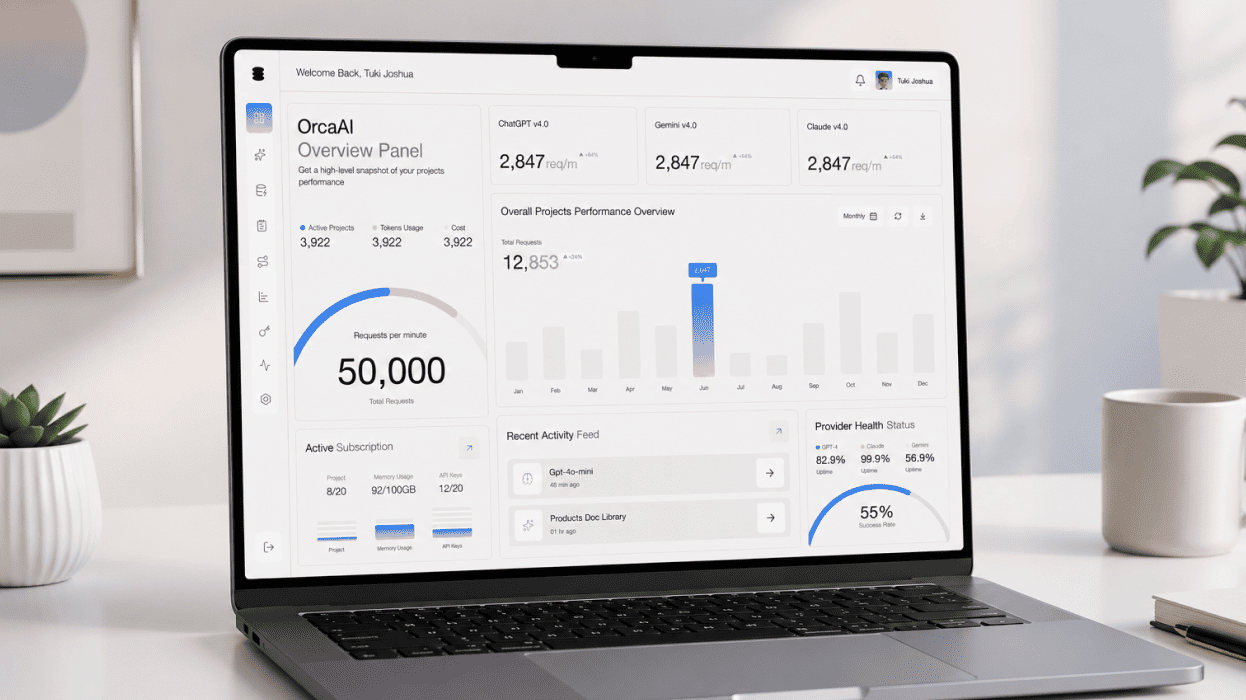 AI orchestrationORCA AI — Intelligent AI orchestration with controlled workflows.
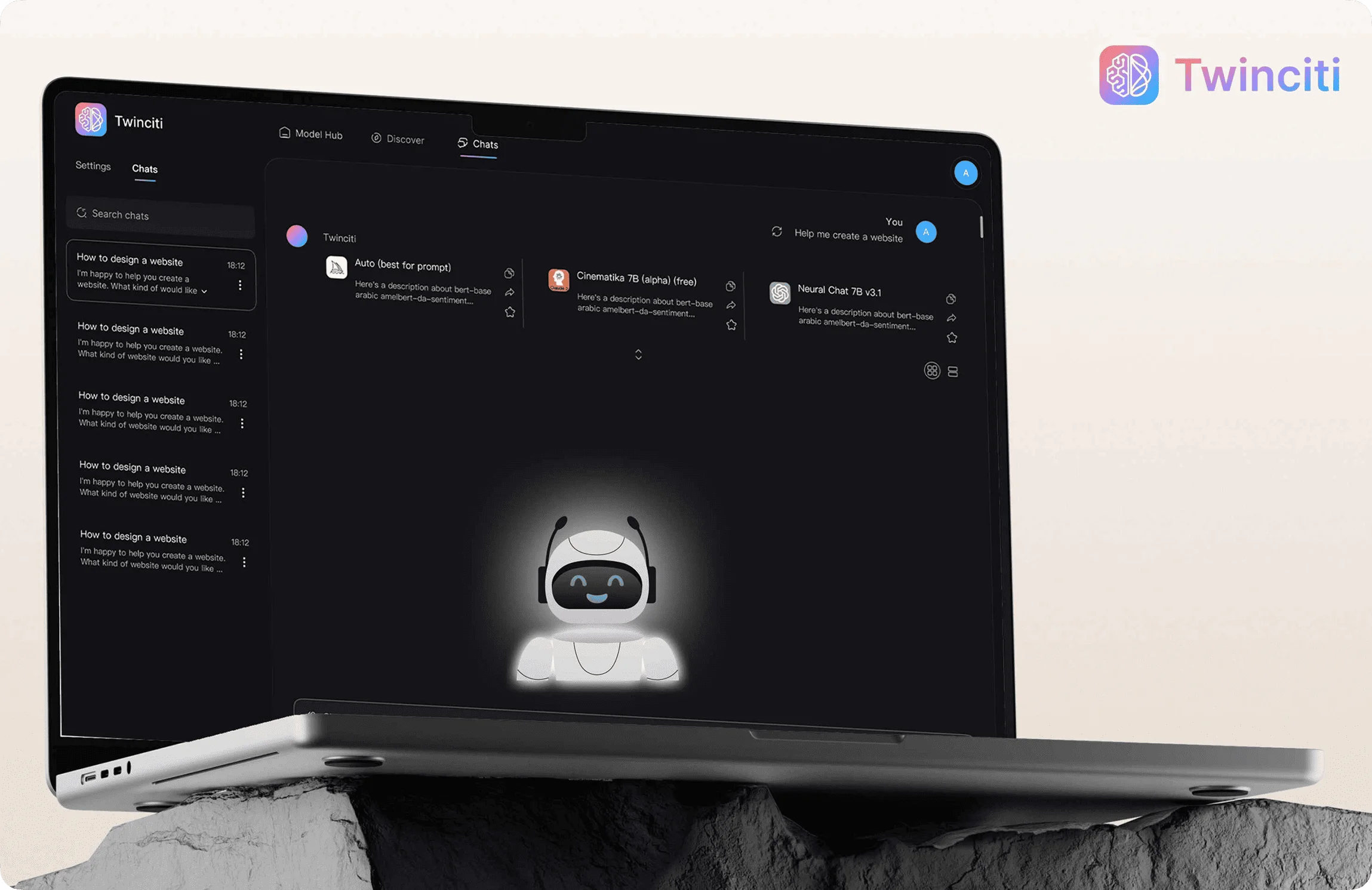 Conversational agentTwinciti — Customer communication handled by an assistant.
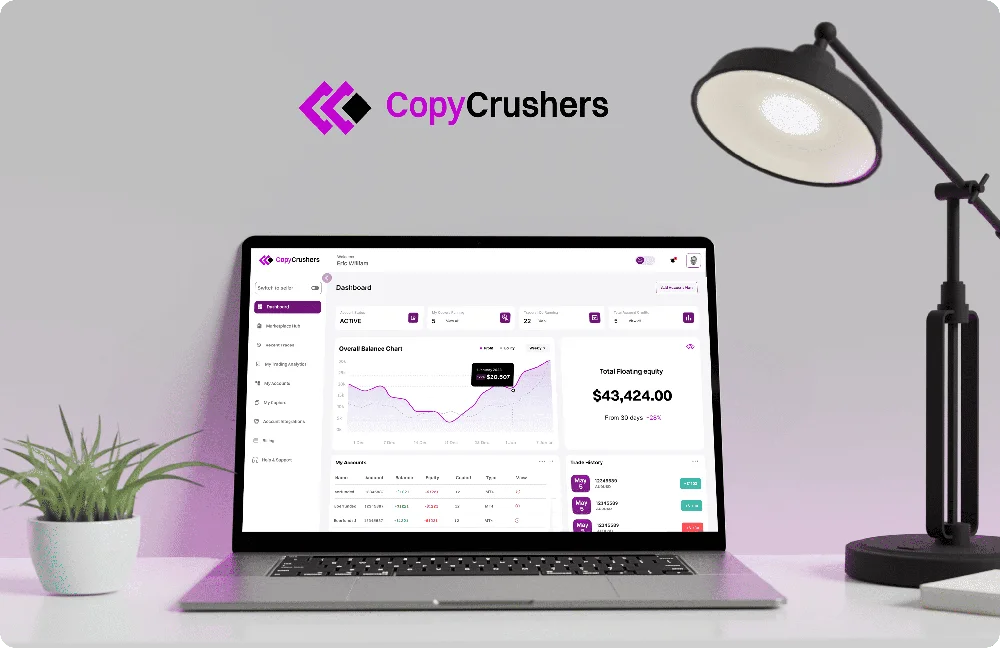 Agentic workflowCopyCrusher — Multi-step strategy analysis and monitoring.
 Planning assistantEdu AI — AI-assisted academic planning for families.
Agent stack
We stay model-agnostic and pick the toolchain against your accuracy, latency, compliance, and cost requirements.
Delivery model
We agree a target success rate on a defined task set before building, and report against it — not against a demo that worked once.
Agent design — Define what the agent decides and what it may touch
View related work
Useful reads
Agent-versus-automation boundaries, application architecture, and managing the projects that produce them.
Five steps. First, define the single decision the agent makes — an agent that decides several things has no testable success rate. Second, give it tools: a small set of well-described APIs with narrow permissions. Third, give it memory and retrieval for whatever private context it needs. Fourth, build an evaluation harness with realistic tasks before optimising anything. Fifth, deploy with tracing, a human review queue, and a defined escalation path. Most failed agent projects skip step four and discover the problem in production.
A focused agent on a narrow task set typically runs $15,000–$40,000 and ships in 4–8 weeks. A production multi-system agent runs $40,000–$120,000+ over 8–16 weeks, and enterprise agentic automation starts around $75,000. Ongoing cost is driven mainly by model usage, which is why we design caching and model routing early.
Use an agent when the input is unstructured and the correct sequence of steps cannot be fully specified in advance — reading an email thread and deciding what to do, researching across several sources, handling exceptions in a process. Use a deterministic workflow when the rules are fixed and you can list every branch; it is cheaper, faster, and easier to guarantee. Strong systems combine both: scripts for the spine, agents at the ambiguous edges.
Reliability is engineered, not prompted. We constrain the task, restrict tool permissions, validate every tool input and output against a schema, require explicit confirmation for irreversible actions, cap the loop iterations, and route low-confidence cases to a human. Then we measure it continuously against a fixed task set and treat any regression as a release blocker.
Client data is never used to train third-party models. We use zero-retention enterprise API contracts, private vector stores inside your cloud account, least-privilege tool scopes, prompt-injection defences, and full audit logs. For regulated workloads we deploy self-hosted open-weight models in your isolated infrastructure.
Build an agent
Bring us the idea, product, workflow, or brand moment. We will shape it into a premium experience built to launch, scale, and convert.
Start agent brief